____________________The Wrong Biennale o7 London Embassy___________________
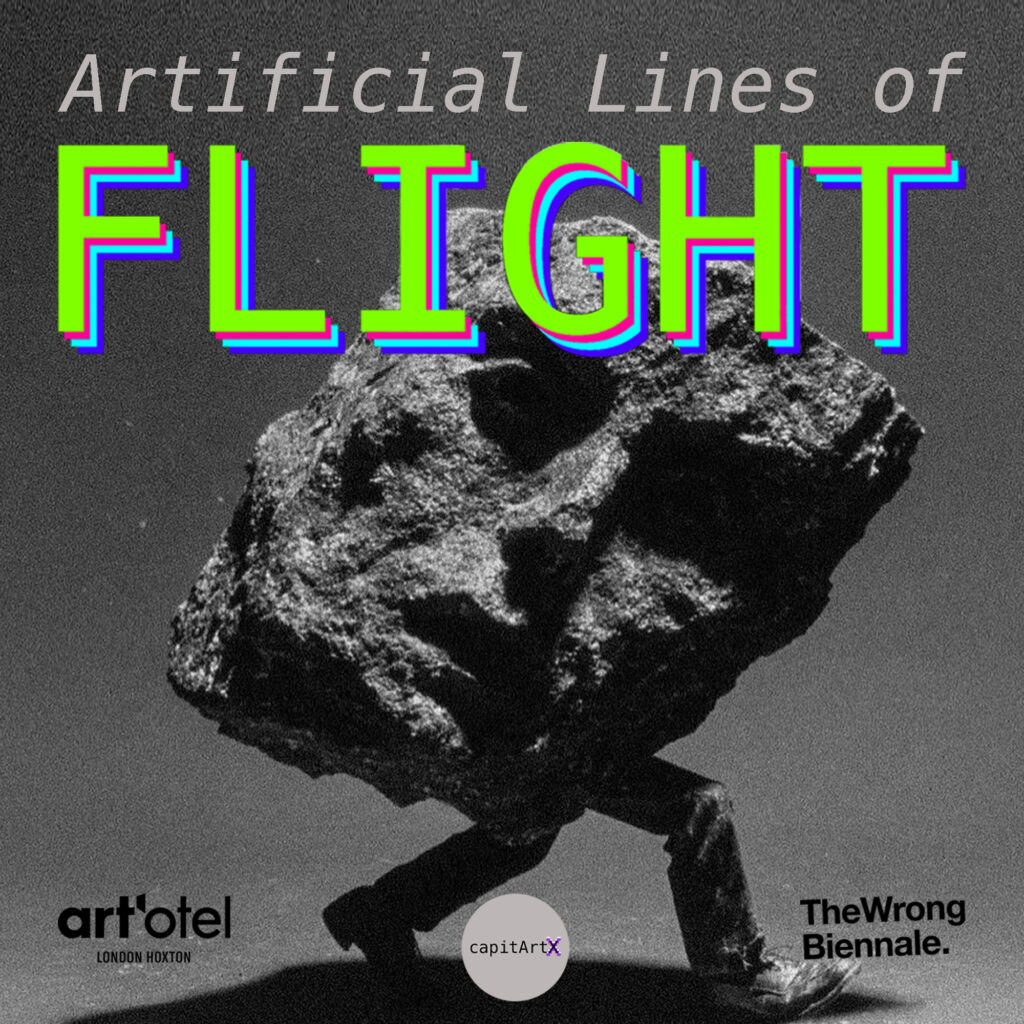
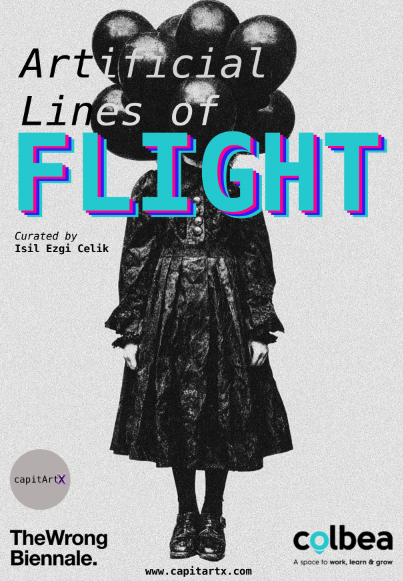
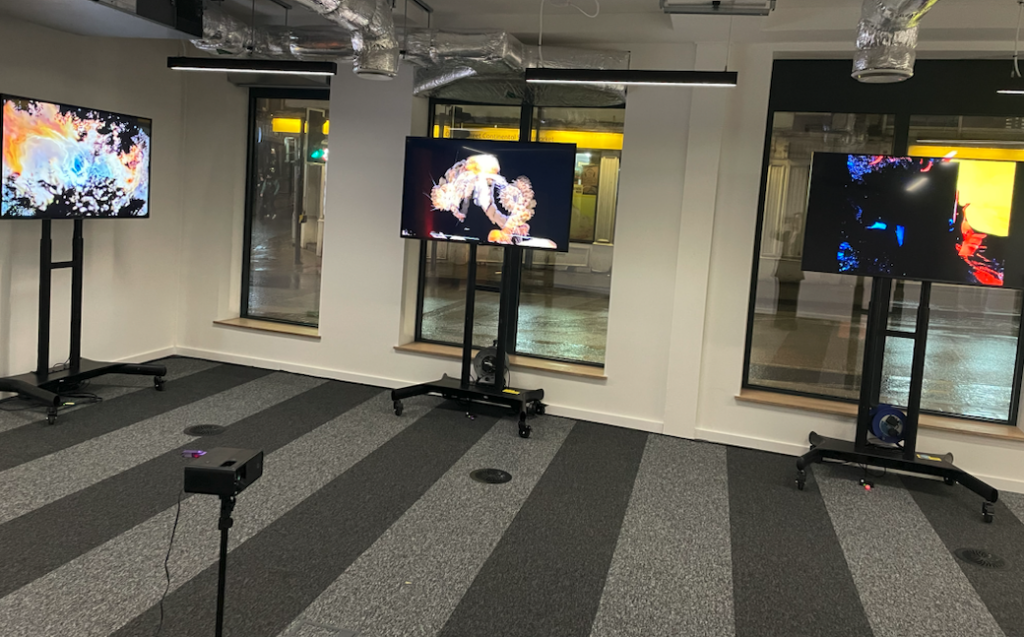
Artificial Lines of Flight drift where code dissolves into organism, where algorithmic absurdity stumbles into meaning, where machines whisper ruptures into dreams. The exhibition traces escapes—lines that fracture power, unsettle indifference, and open trembling thresholds of the not-yet. Here, difference becomes resistance, uncertainty a vector, absurdity a counter-force to its contemporary forms, and collaboration with machines a flight toward unpredictable becomings.
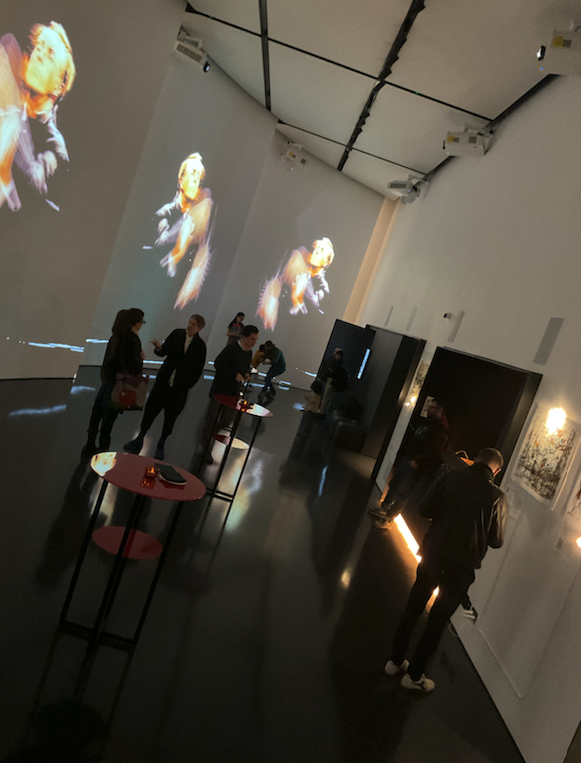
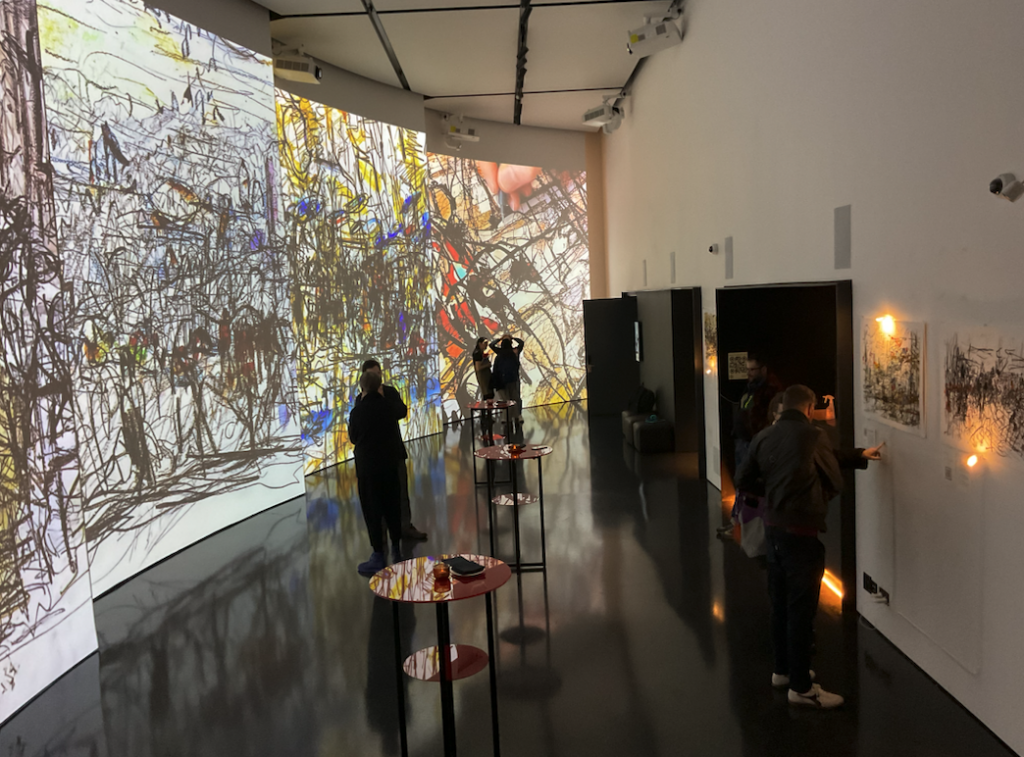
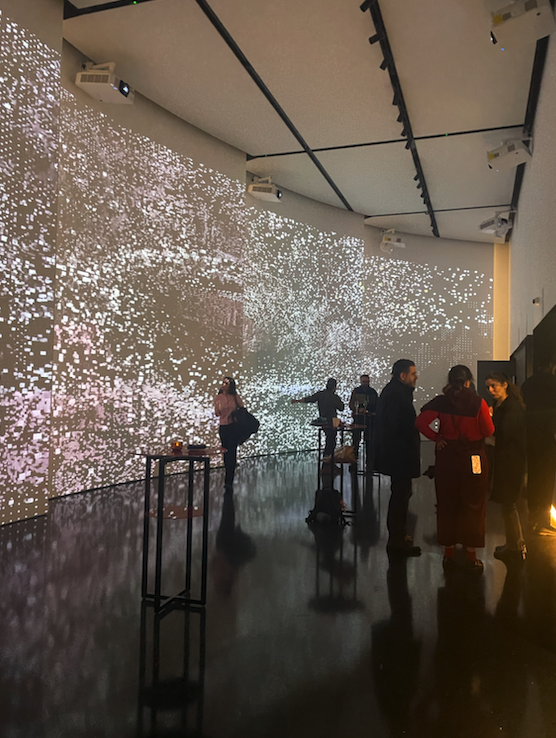
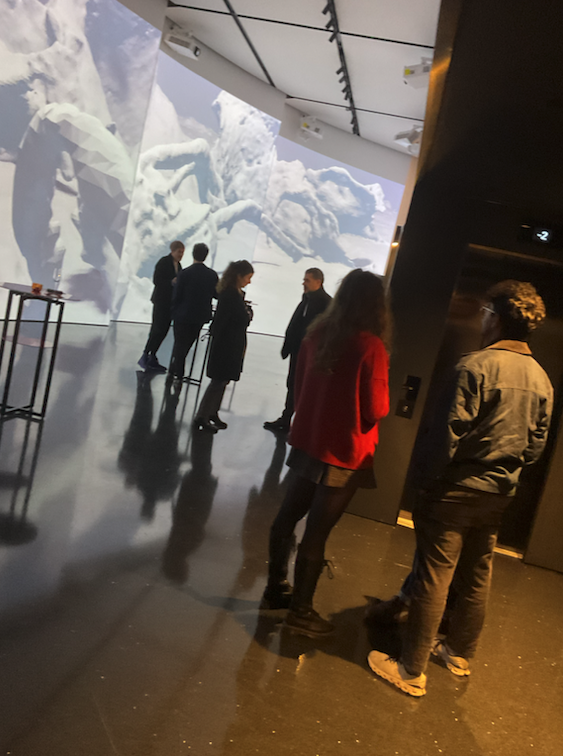
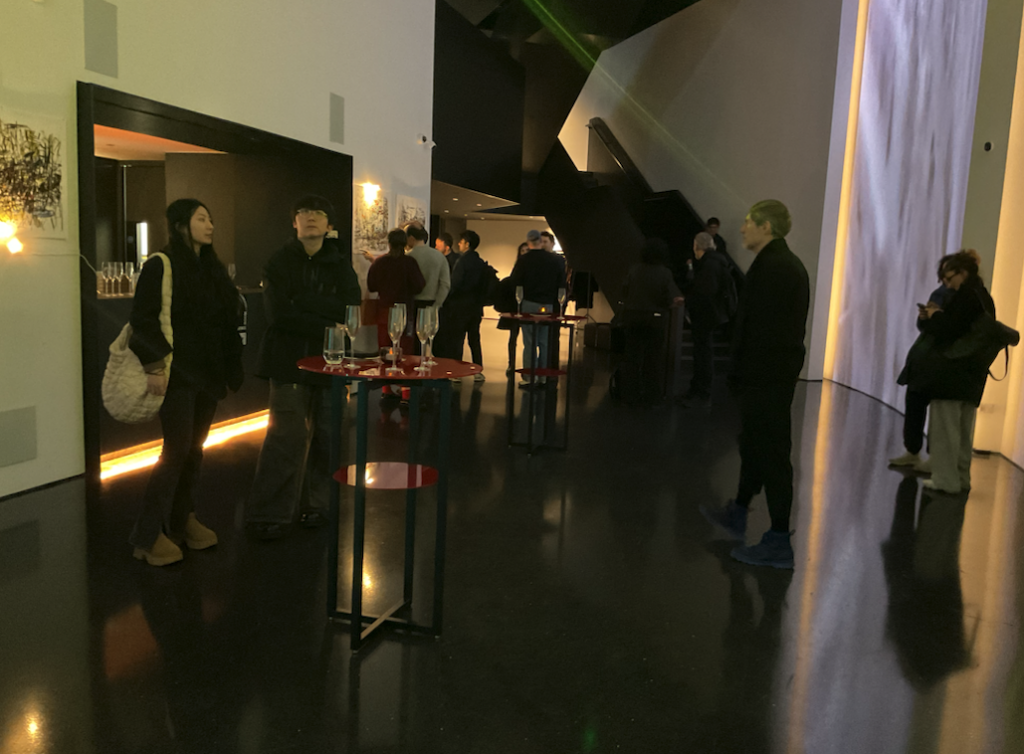
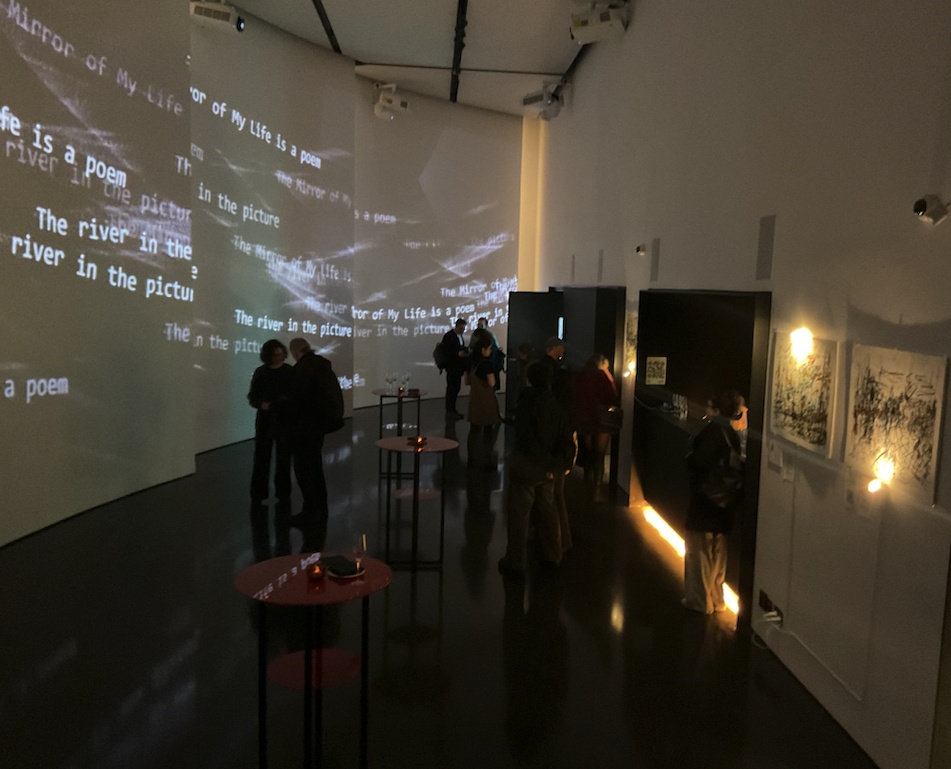
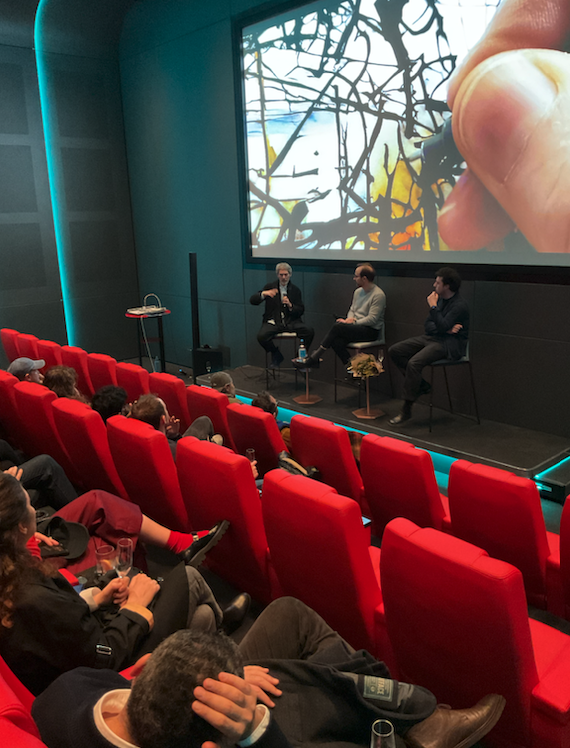
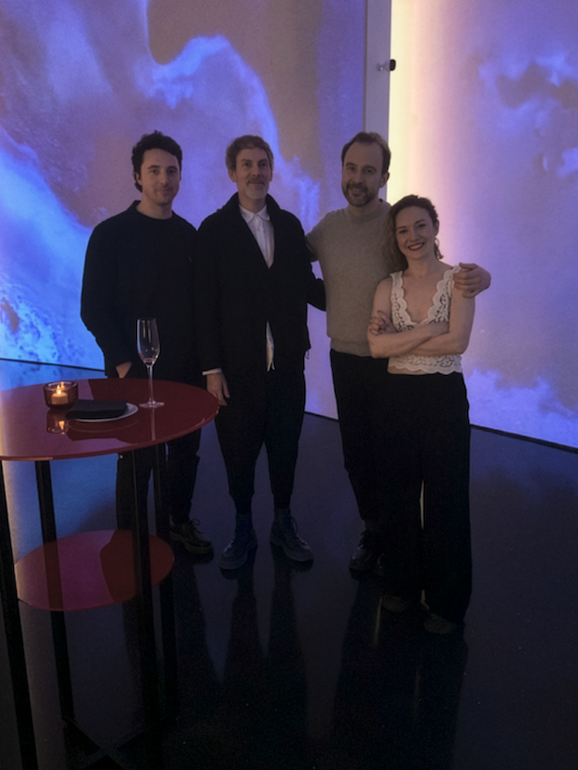
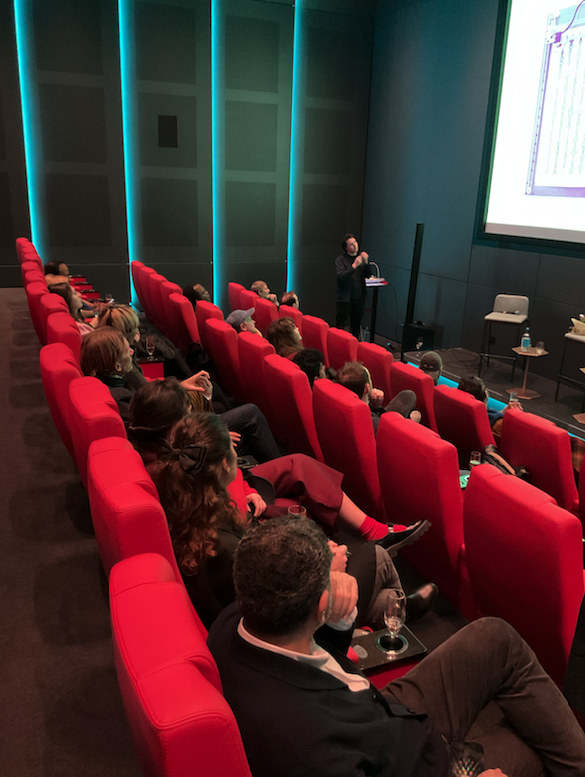
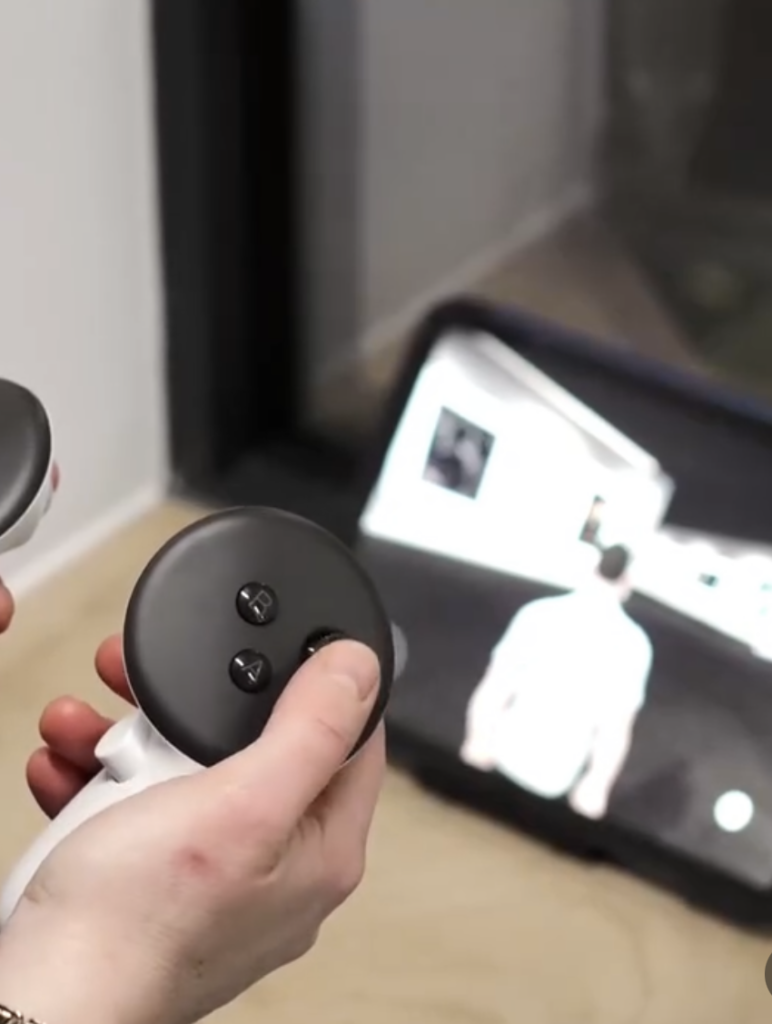
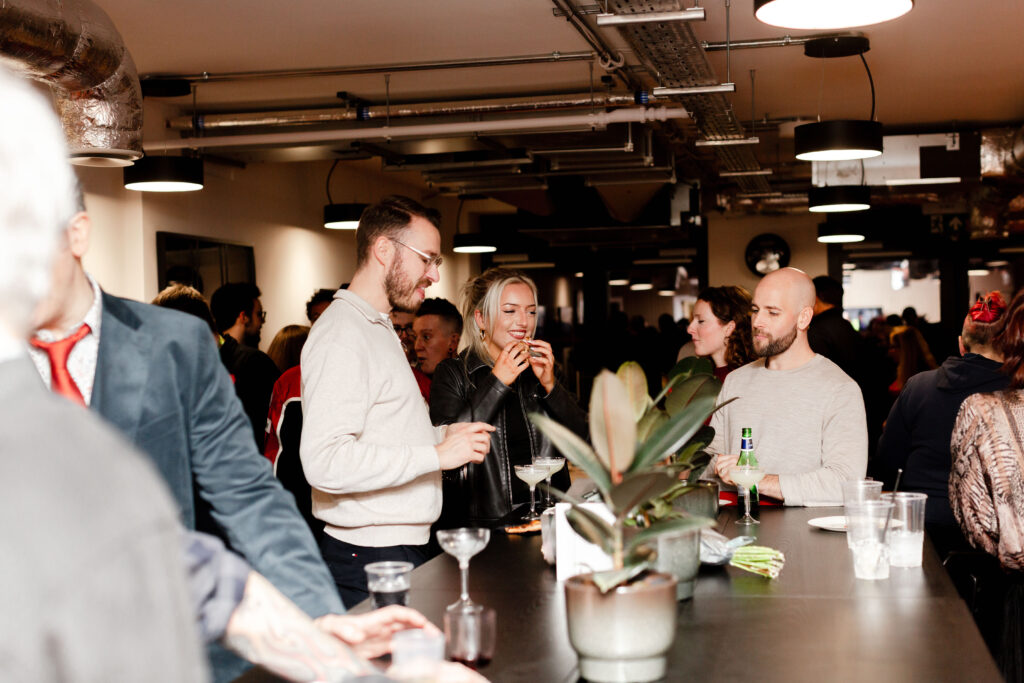
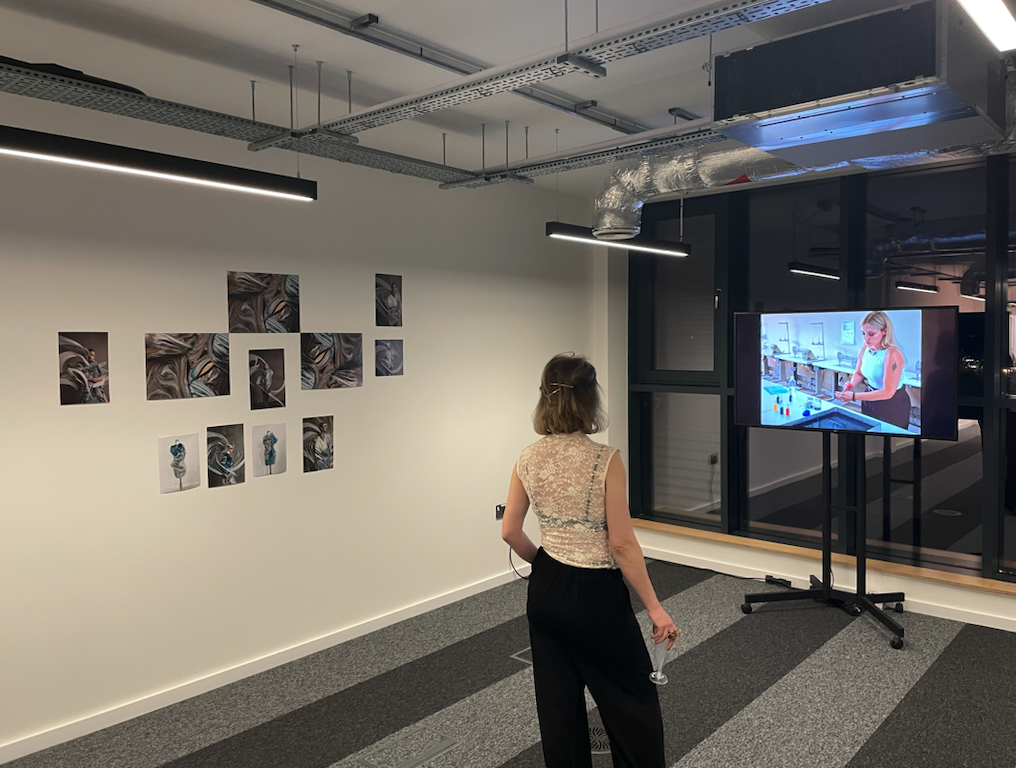
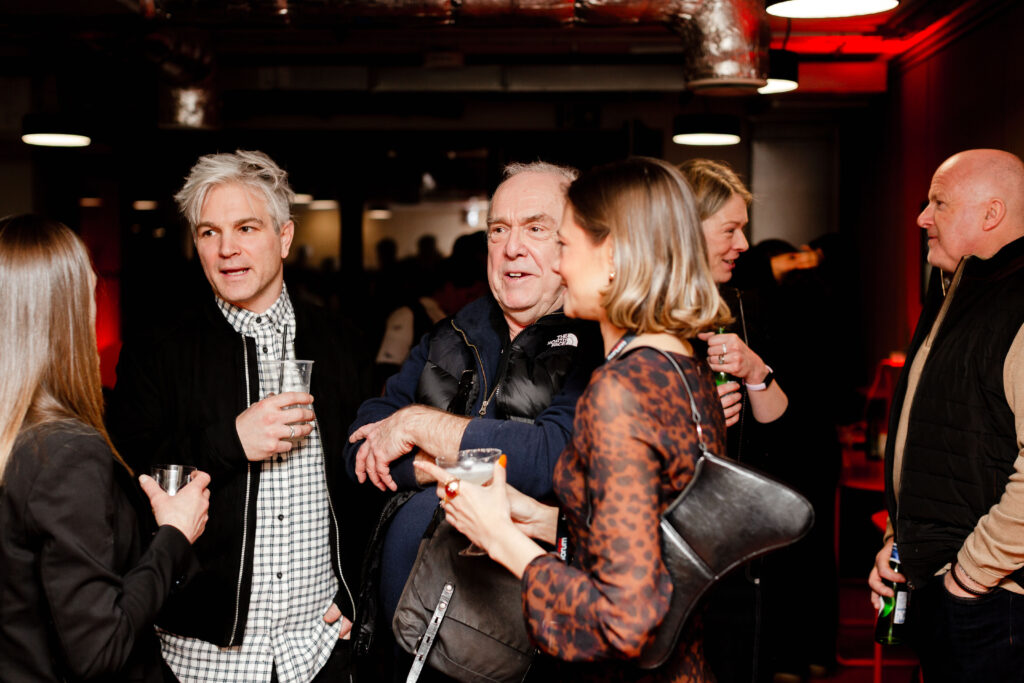
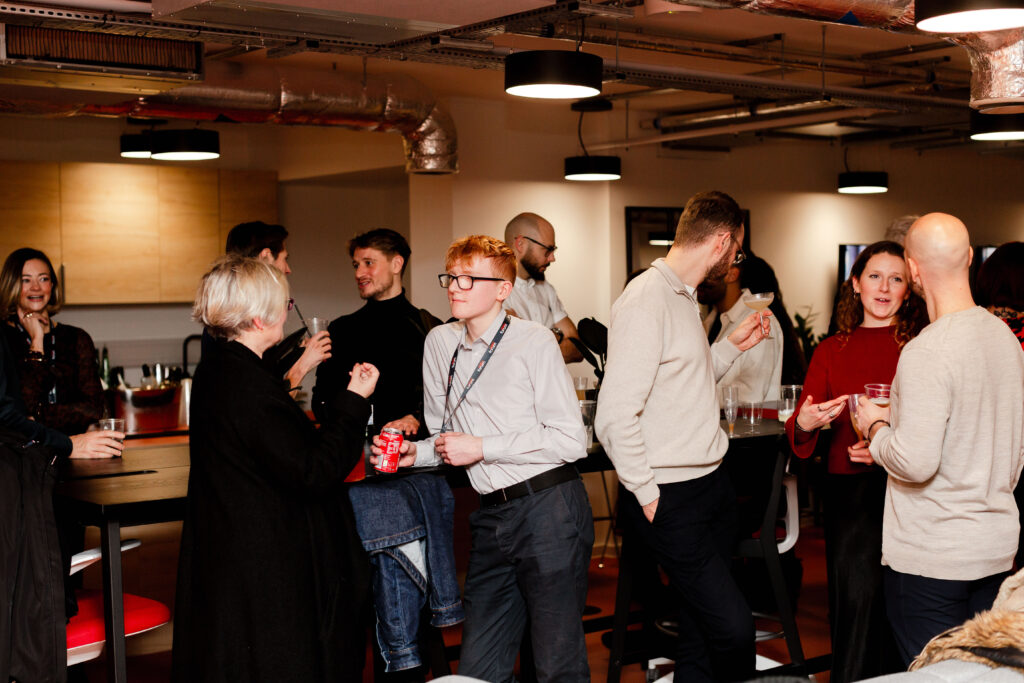
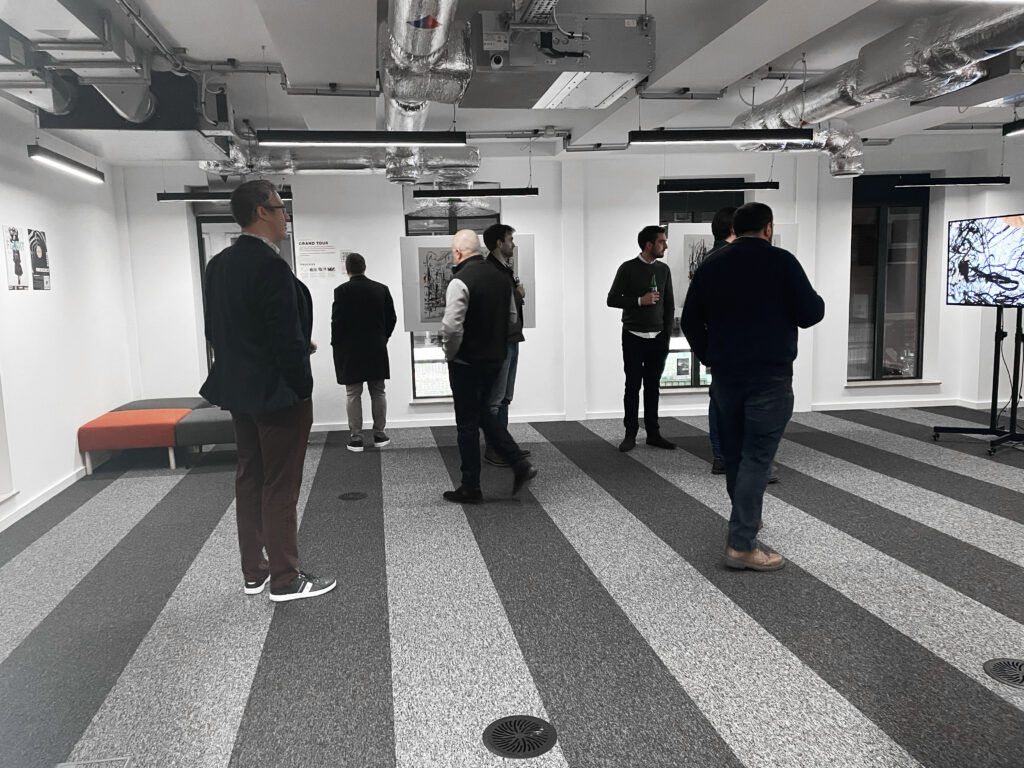
Throughout its exhibition period, The London Embassy hosted an opening talk with Miguel Ripoll and Lewis Brown, as well as a private screening event that extends the immersive format into more participatory and reflective grounds. While Ripoll’s hybrid drawings could be seen in the gallery throughout the exhibition, Lewis Brown’s drawing machine performed at the opening event, creating a unique drawing in real time.
__________________The Wrong Biennale o7 Colchester Embassy________________
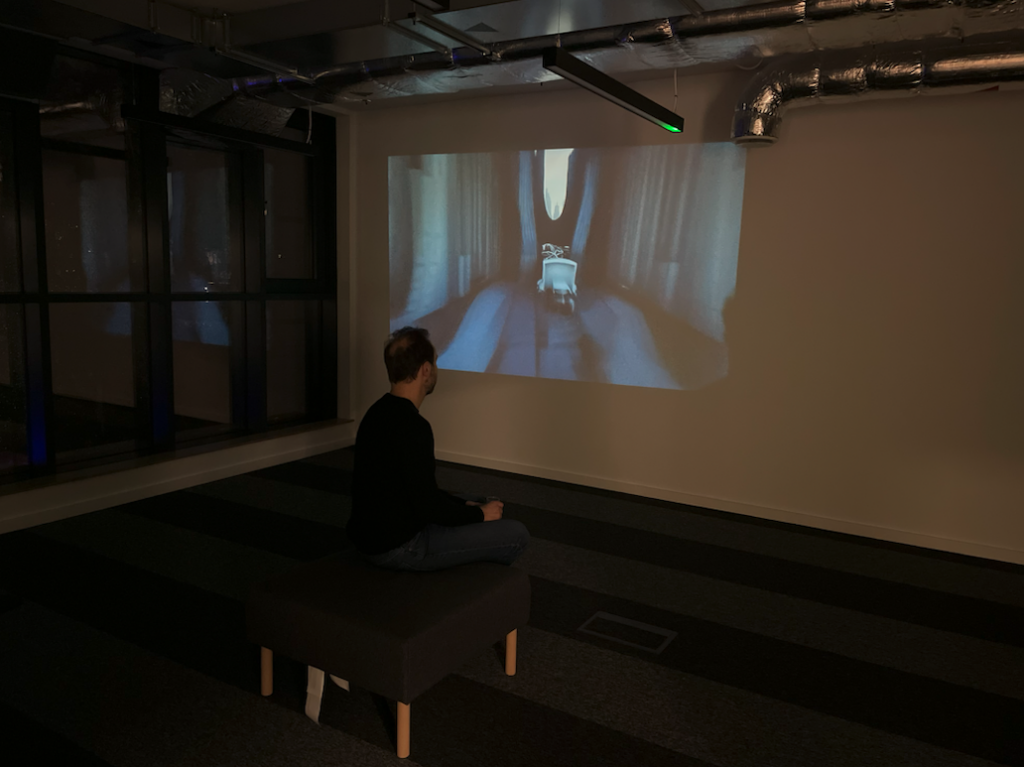
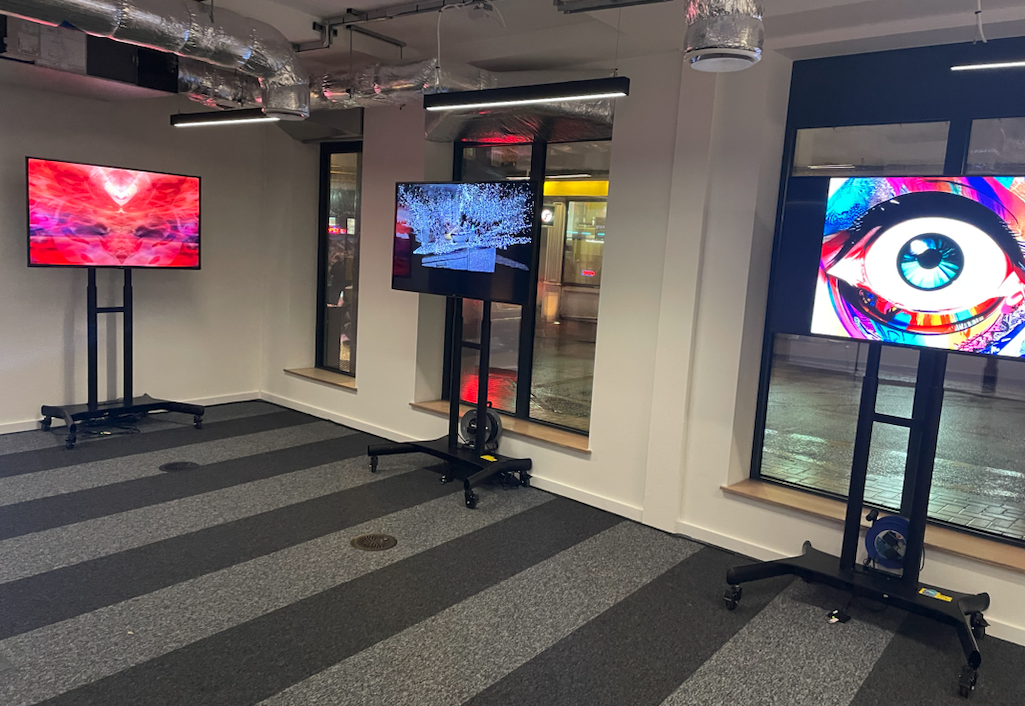
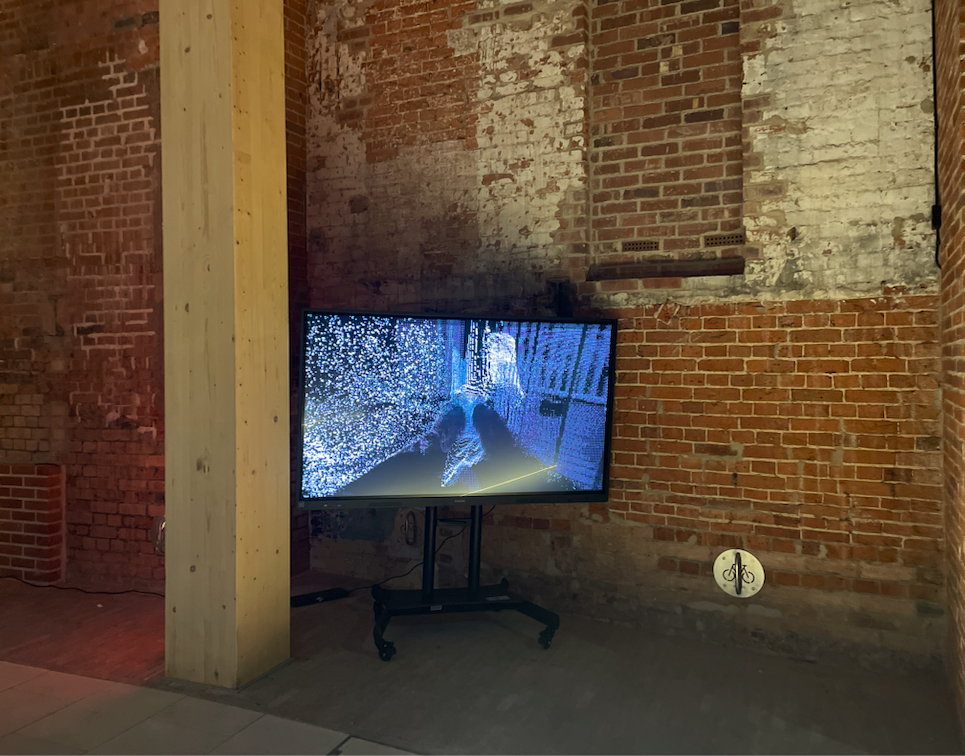
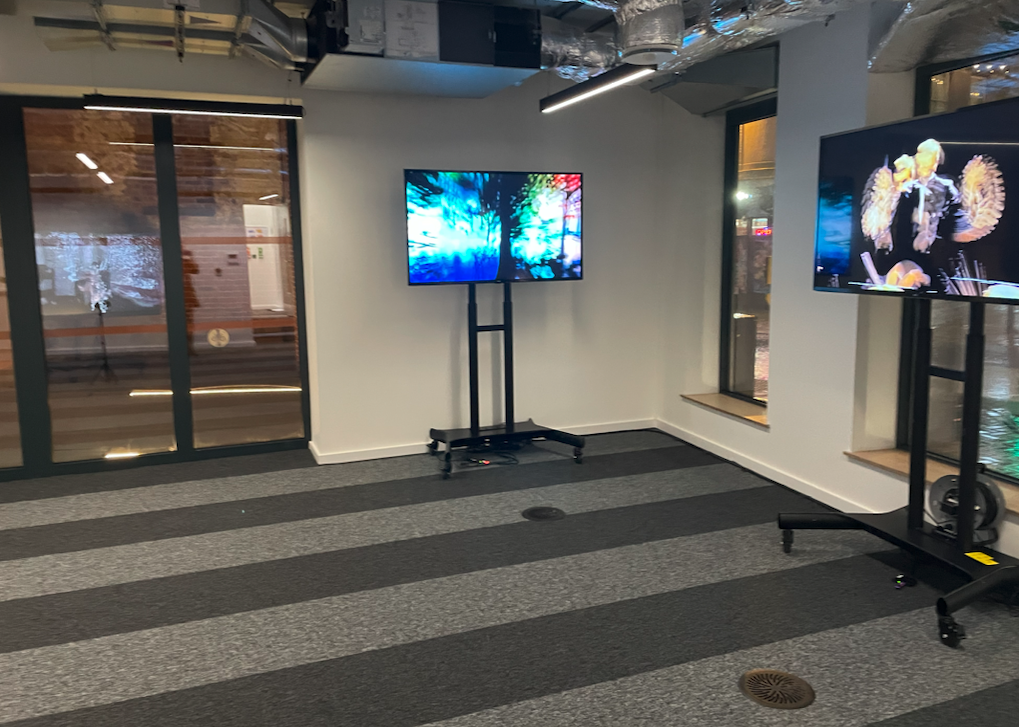
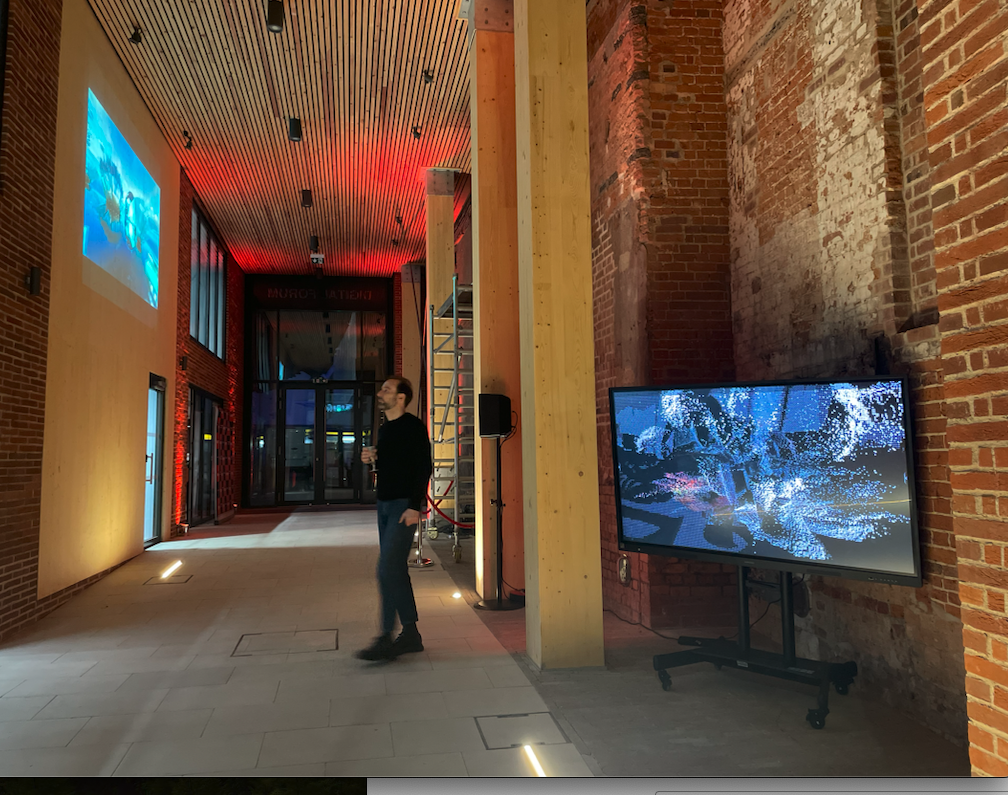
The embassy is exhibited at UK’s Roman capital Colchester’s Digital Forum launch opening event. Artificial Lines of Flight takes inspiration from Deleuze & Guattari’s concept of ligne de fuite — a line of escape, of transformation, of rupture from systems of power, structure, and sense. In this context, the exhibition considers how AI and algorithmic creativity can enact such a line of flight: not only by generating uncanny, absurd, or surprising artefacts, but by unsettling the norms of authorship, aesthetics, and intention. This is not merely an exploration of machine creativity, but a call to consider what emerges when collaboration with machines embraces uncertainty as a condition for political potential.
_____________________The Wrong Biennale o7 Online Pavilion____________________

Artificial Lines of Flight drift where code dissolves into organism, where algorithmic absurdity stumbles into meaning, where machines whisper ruptures into dreams. The exhibition traces escapes—lines that fracture power, unsettle indifference, and open trembling thresholds of the not-yet. Here, difference becomes resistance, uncertainty a vector, absurdity a counter-force to its contemporary forms, and collaboration with machines a flight toward unpredictable becomings.
Artificial Lines of Flight takes inspiration from Deleuze & Guattari’s concept of ligne de fuite — a line of escape, of transformation, of rupture from systems of power, structure, and sense. In this context, the exhibition considers how AI and algorithmic creativity can enact such a line of flight: not only by generating uncanny, absurd, or surprising artefacts, but by unsettling the norms of authorship, aesthetics, and intention. This is not merely an exploration of machine creativity, but a call to consider what emerges when collaboration with machines embraces uncertainty as a condition for political potential. Through this pavilion we invite the audience to consider how embracing uncertainty and unpredictability in human-machine collaboration might open new spaces of resistance and transformation.
Work by Blanche The Vidiot, Copy Planet, Domenec Miralles Tagliabue, Domenico Barra, Francesca Fini, Hyun Cho, Jean-Michel Rolland, Jie Shuai, Lewis Brown, Marcus Wallinder, Mark Cypher, Miguel Ripoll, Mike Petrakis, Mizuho Nishioka, Paulius Sliaupa, Una Raneta (Toñin Lizana), Zivia Li.
The Online Pavilion will run from 1st November 2025 to 1st March 2026.
Click and see Becoming-Machine, our previous VR pavilion and London embassy for The Wrong o6 edition.
Details of the Embassy Exhibitions and Events will be announced on our website and social media.
ARTWORKS
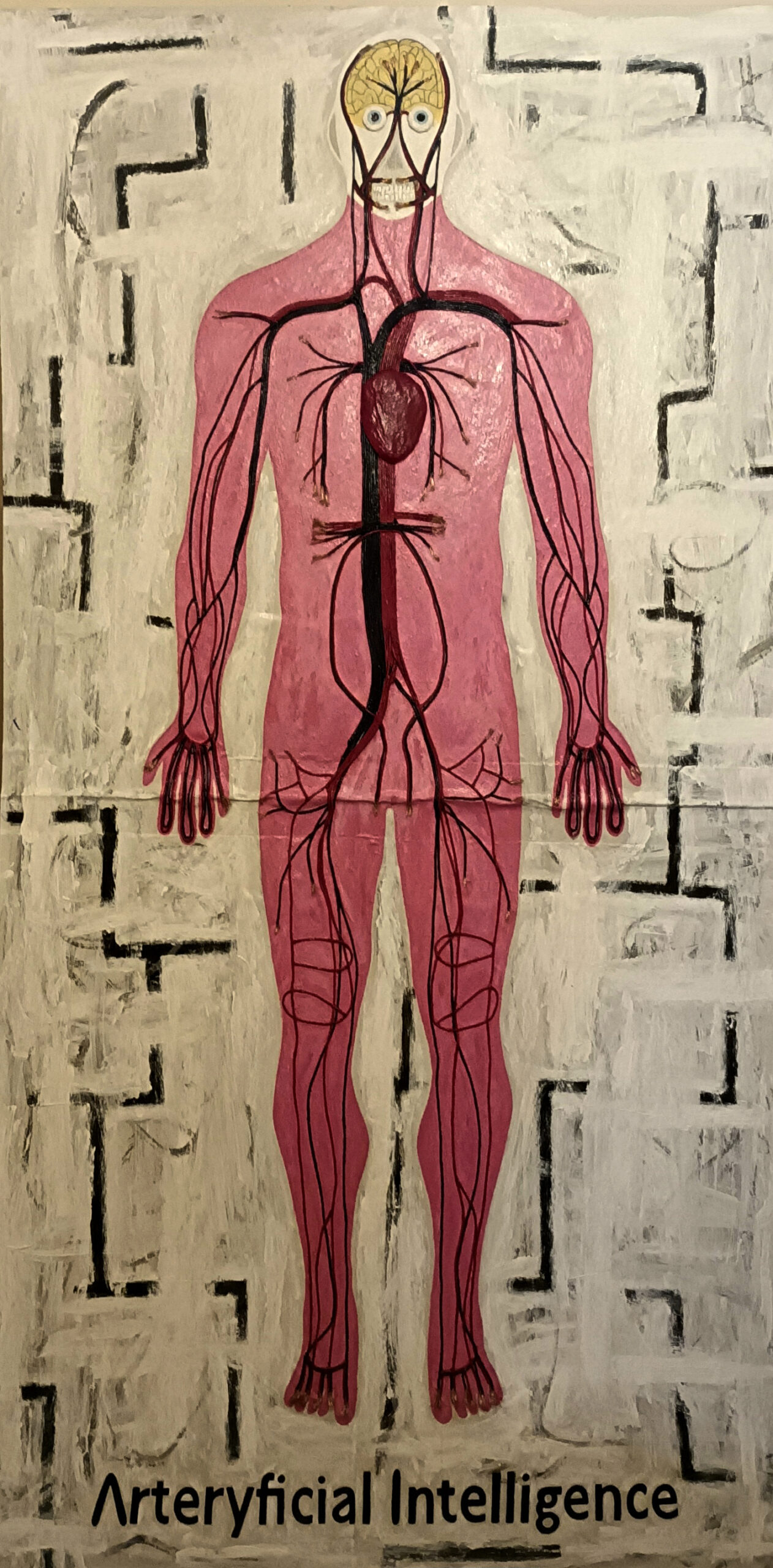
Arteryficial Intelligence by Mike Petrakis
Trough my new project, I am attempting to map the anatomy of artificial intelligence (Art – Artery – Arteryficial & TEXNH – TEXNology), as a living being that expands in all aspects of modern life. All the means of applied digital knowledge as a study of neuroscience and cognitive behavior.
Through this exhibition aim to create a space for dialogue between artists, technologists, ethicists, and the public, encouraging diverse perspectives on AI’s role in society, emphasising the human aspect of technology, reminding viewers of the emotional and ethical dimensions of AI development and usage, attracting a wide range of audience, providing an opportunity to engage with AI ethics in a non-technical, relatable manner.
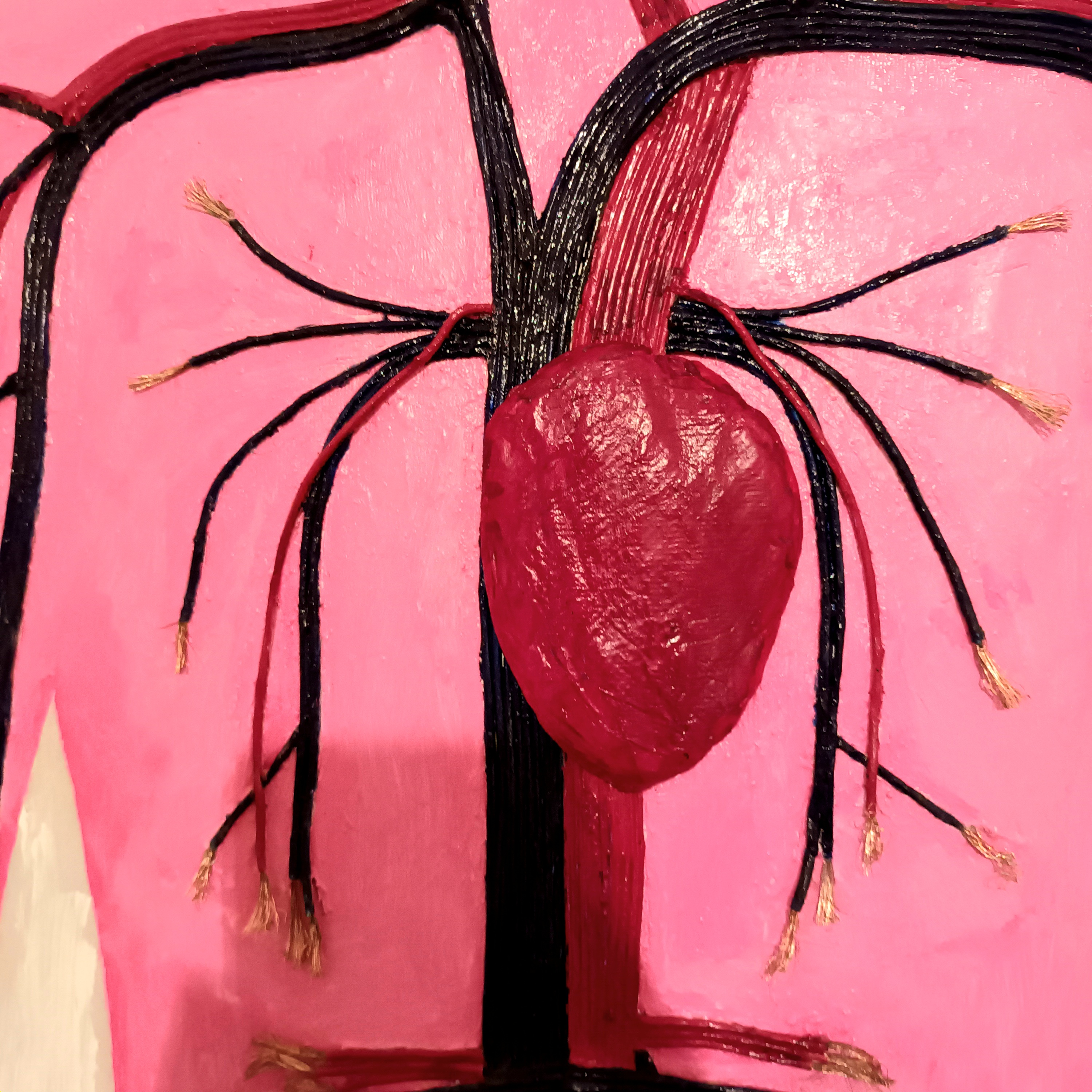
ABOVE: Cable wires view Arteryficial Intelligence
_______________________________________
LEFT: Arteryficial Intelligence
2019 – 2023
205×108 cm
Acrylic on canvas,
blue and red electric cables
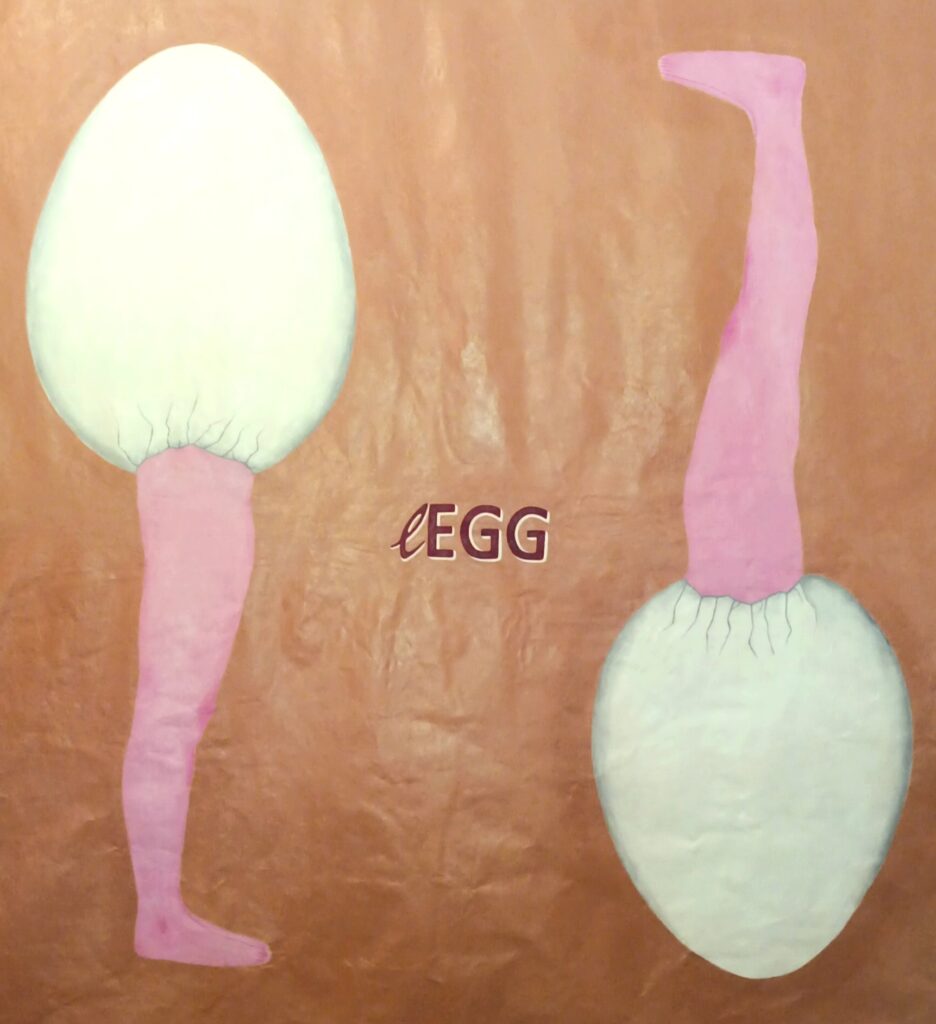
lEGG, 07/2019, 200×170 cm, Acrylic on canvas
We know that as AI becomes more autonomous, questions arise about human control and accountability and I want to challenge viewers to consider the boundaries between human and machine decision-making.
From Homo sapiens to Homo ludens [the man who plays Latin] and game design to Homo faber [the man who creates Latin] and invention through innovation. From Homo sapiens to Homo ludensand game design to Homo faber and invention through innovation.
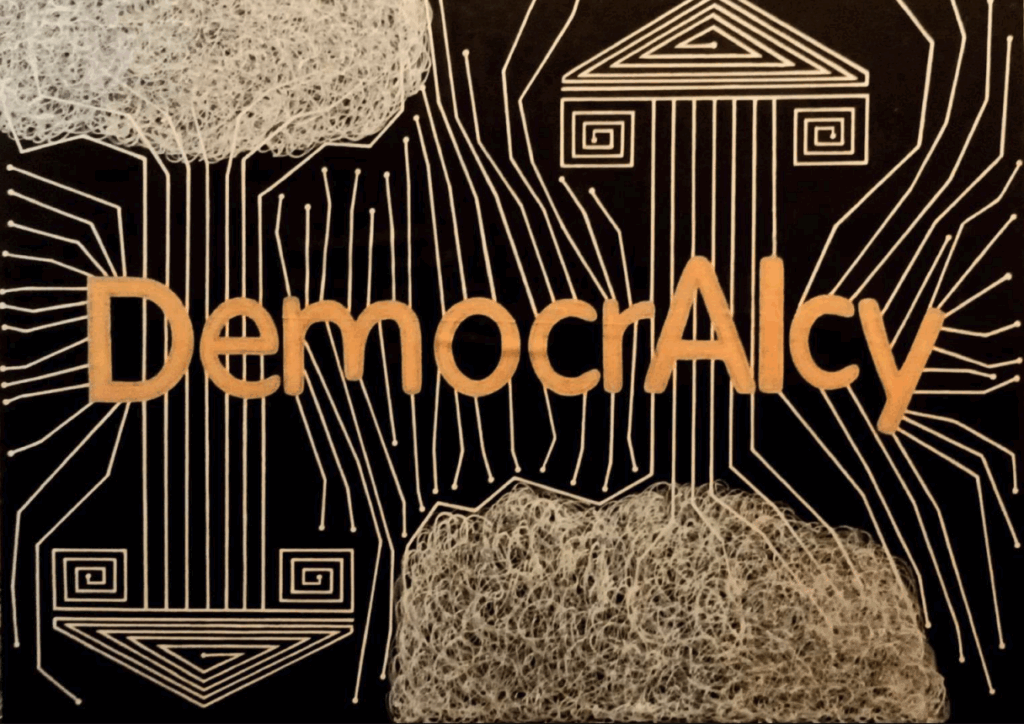
DemocrAIcy, 02/2023, 76×103 cm, Acrylic & oil color on canvas & marker
Poetry River by Jie Shuai
Poetry River is an AI-generated interactive project that explores the ever-shifting boundary between human and machine language. I trained an AI model capable of generating poetry, and visitors are invited to input a word into the screen interface. In response, the AI generates a poetic line and adds
it to a continuous stream of text, ultimately merging into a machine-created poetic “river.”
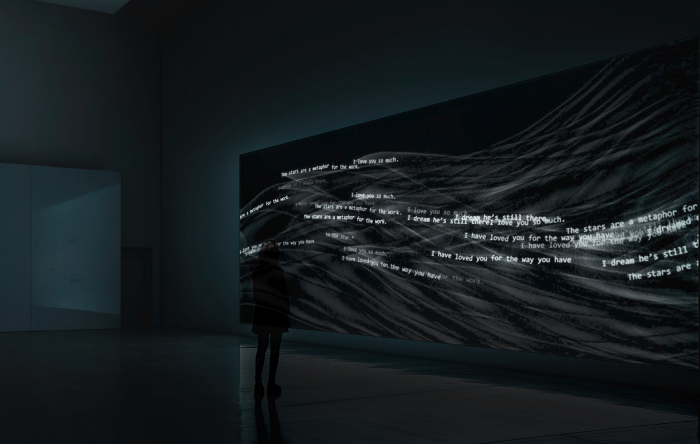
Poetry River, AI-Generated Interactive (Installation View)
The work revolves around the concept of the boundary of language, attempting to extend the traditional imagery of a river—often used to demarcate civilizations—into a structural interface for semantic generation and comprehension. Human language is “encoded–decoded–reconstructed” by the machine, resulting in a text that can neither be fully attributed to human intention nor wholly to machine “understanding.” Here, the viewer’s words are like pebbles thrown into an echoing and unpredictable riverbed—not evoking fixed meanings, but rather activating the generative process itself.
Movements by Domenec Miralles Tagliabue
Movements is a generative film that is continuously re-edited in real time, offering an ever-changing experience. Created with a footage-making program made by me, this film uses the Wan 14b model along with LoRAs and multiple image editing techniques to explore the dream of a digital entity, shaped in the form of a nightmarish thriller. The work investigates the limits of audiovisual perception, the relationship between human activity and AI processes, and the resulting ontology of being-machine.
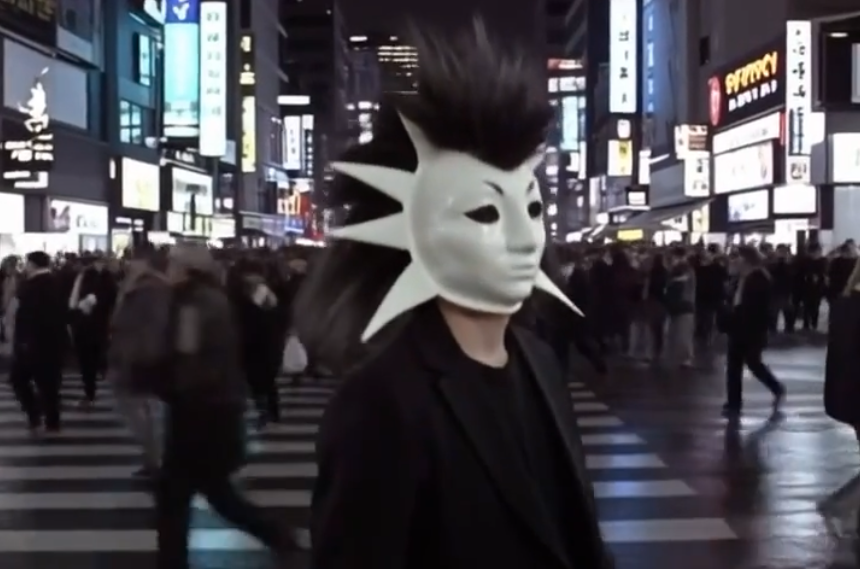
Movements, Generative Movie, 8.159 x 10*47 variations (Film Still)
This is a continuously flowing narrative where the editing never repeats and the form is inseparable from the process. Through the use of different LLMs and some scripts, the film is displayed in a continuous flow of re-edits, totalling 8.159 x 10*47 variations.
Polyrythmia by Mark Cypher
Polyrythmia is a net-artwork that explores how intertwined rhythmic phenomena shape our interactions with the diverse spaces and times we occupy, ultimately influencing our way of life.
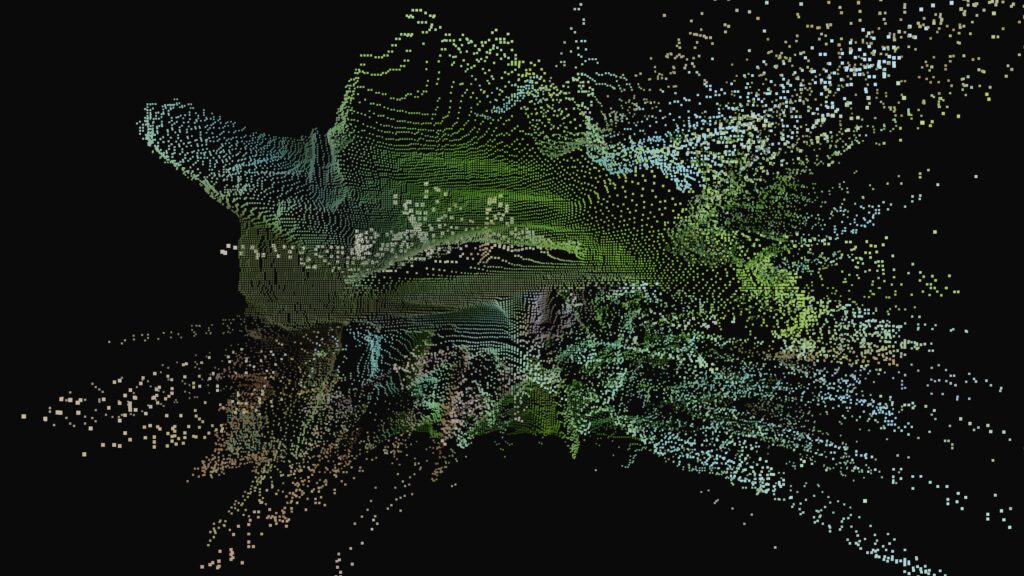
Polyrythmia, Videoart, (Still Image)
Henri Lefebvre’s work emphasizes how rhythms—ranging from natural cycles to social routines—interact to form the fabric of everyday existence, shaping our perception of time and our experience of the world. The work Polyrythmia examines how the rhythms of life, technology and work continuously layer and mediate, algorithmically weaving complex forms of mediation that often extend beyond our control.
Movement_17;Tasman Sea by Mizuho Nishioda
Movement_17; Tasman Sea is part of an ongoing inquiry into how we make, perceive, and are made by images. In this work, I relinquish human control over the act of image-making and instead surrender authorship to the sea. By placing photographic apparatus directly into the oceanic environment for extended durations, the resulting images are shaped by the motion, atmosphere, and elemental force of the Tasman Sea. The sea becomes both medium and agent, its turbulence and rhythms inscribing themselves directly into the visual field.
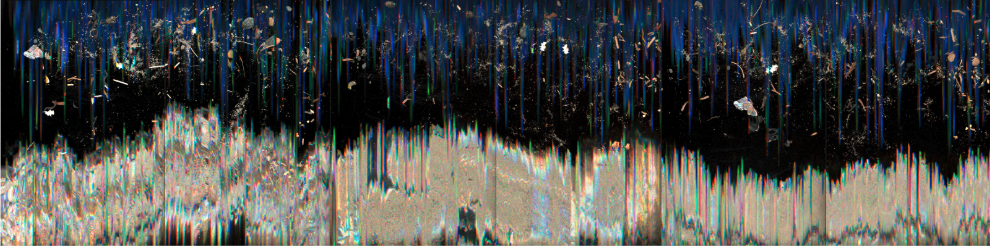
Movement_17; Tasman Sea, 480 cm x 120 cm, unique photographic print mounted in Diasec format (Aluminium sheet and acrylic epoxy mount).
This practice emerges from a desire to rethink the photograph—not as a human-framed snapshot of reality, but as a durational, co-produced imprint between technology and environment. The resulting 1TB image file operates as a slow data surface, challenging the compressed and hyper-legible aesthetics of contemporary screen culture. Rather than capturing a decisive moment, the work resists resolution. It drifts, accumulates, and asks to be navigated.
By suspending control and engaging directly with the material agencies of nature, this work proposes an alternative aesthetics: one that unsettles fixed perspectives and calls into question how we construct meaning from visual information. Movement_17 is less about what is shown, and more about how seeing is shaped—by weather, time, and the elemental unknown.
Chironomies by Jean-Michel Rolland
Chironomies is an ongoing series of videos that reveal the aesthetics of music conductors’ gestures.
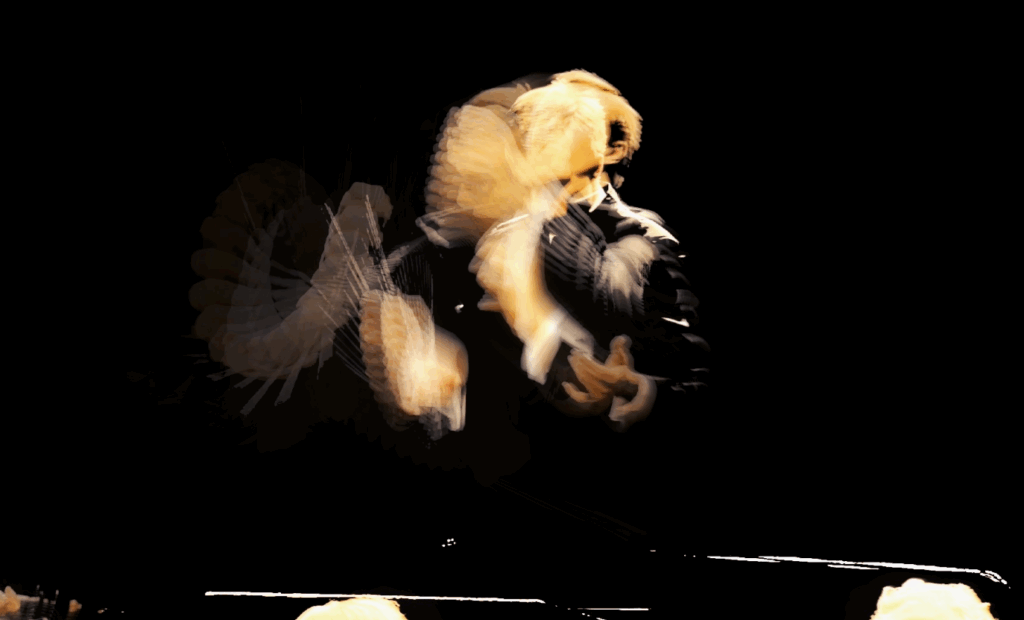
Chironomies, Videoart (Still Image)
The recordings of the musical works used are edited to retain only the relevant parts. The bodies, stripped of the superfluous and multiplied, leave traces that create patterns specific to each conductor. The result is visual and musical recompositions that navigate between figuration and abstraction.
AIcology by Blanche the Vidiot (Szabina Péter & Kristóf János Bodnár)
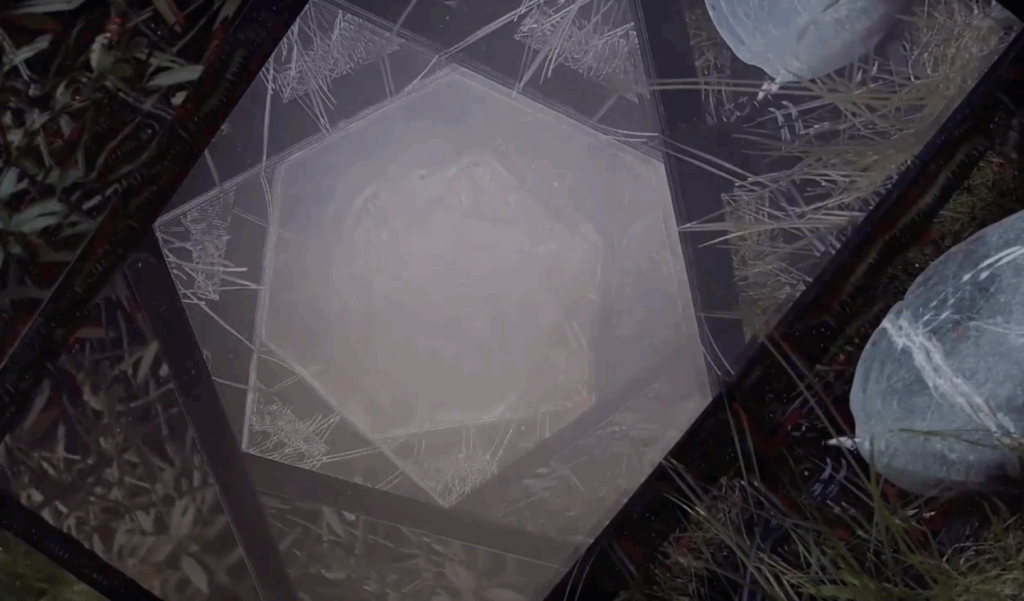
We apply a digital movie camera capable of 4k RAW recording (allowing for different color grading of the ‘same’ material, thus leading even on this ‘basic’ level to fundamental questions about what do ‘we’ see based on different LUT’s and gammas) with a high resolution field recording audio rig to capture forms of the ‘organic nature’ (leaves, stones, etc.).
Then, as a second step, we initiate our first “strange loop” via generating positive feedbackloops by recording the main HDMI output of the camera. This way we dwell into the nature of not only how does the DSP’s ‘see’, but how do they see their own seeing; and how do we, human computational machines perceive such self-referentiality – the more if the forms resulting from such infinitely regressive processes are inherently interesting from an artistic perspective.
Then we take this ‘basic’ AI’s (the camera’s and recorders own DSP chain’s) perception/creation – first, a stills picture taken from this process, then videos as well – as a starting point of the second relational/self-referential medium/art journey: We will ask pattern recognizing algorithms to describe us what they see – and feed this output back to a ‘smarter’ AI’s input: Google’s Deep Dream engine.
This could function in two ways: either by ‘prescribing’ it patterns to look for in the image (Deep Style), or to ‘just look for anything’ (Deep Dream). Once the new images are created in either of these ways, we’ll go back to the beginning of the first loop again, and use these images and later videos for the subsequent loop(s) – and then, we will feed those stills (and videos) back again to the Google Engine…
Down (or up) this spiral of recursion will we discover not only how the ‘simple’ DSP chains perceive their own perception, but also how others (either picture recognition engines like of Alexa’s or Google’s Deep Dream, which serves as a ‘reversed picture recognizing engine’) perceive images other computational ecosystems have stored, transmitted and/or created.
Even if those are of their own creations (like in the case of feeding back Deep Dream pictures in a recursive manner), or originating from other systems’ (like when we ask Alexa to recognize pictures, and use it as a pattern of departure for the Deep dream, or when we will input Alexa’s recognition into other picture-search engines, and feed those pictures into the Deep Dream).
Lastly, on yet another meta-layer, the more such generated pictures will be at hand, the easier is to create videos from it – which, recursively again, can be used to generate positive-feedback video loops – or to be ‘over-dreamed’ by the Deep Dream Generator’s video-maker function.
Positive feedback and recursion will be the basis of the audio-realm as well: both the sounds generated during the video-looping, and the sounds of Alexa and other picture-to-sound ‘translational’ algorythms will be recorded, remixed and used in a like recursive manner.
Winterteller by Paulius Sliaupa
As snow blankets the world, a new hyperreal space emerges, blurring the lines between the physical and digital realms of Lithuania and Iceland. Simulations frozen in time converge with uncertain futures, exploring the perforated textures of scanned environments and lived experiences.
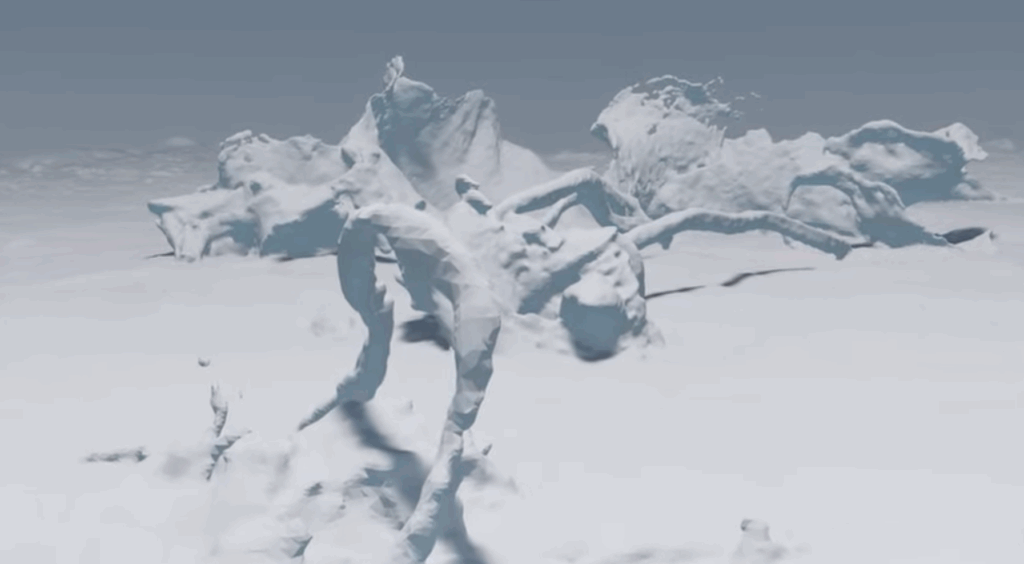
Winterteller, Short Movie, (Film Still), Voiceover: Bryony Ulyett
This contemplation of existence transcends boundaries as ideas, emotions, and experiences intersect virtual spaces and tangible realities, shaping our understanding of being.
Ghost Killing by Hyun Cho
GHOST KILLING, a live computer simulation, presents the similarity between the power structures of drones on battlefields and the platform industries utilizing AI in the capitalist market. A drone, trained by machine learning, prevents delivery workers’ vehicles from reaching their destination.
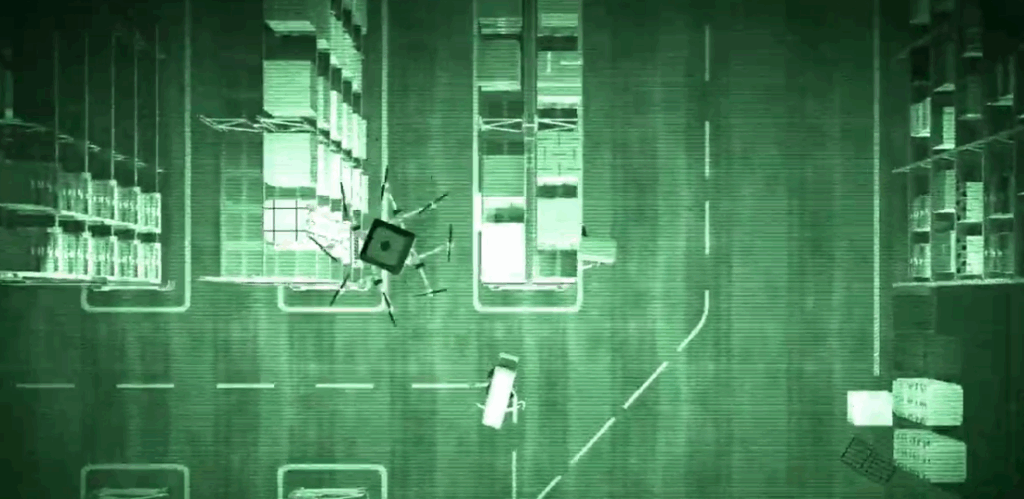
Ghost Killing, Live Computer Simulation (Still Image)
The consequences of emerging automated systems to human labor are still unknown. Viewers are exposed to the unfair battle between those with capital and technology and those without it.
/\7TERꞫD_{̶D̶4̶T̶4̶}̶PRØ/\/\PTz by Domenico Barra
/\7TERꞫD_{̶D̶4̶T̶4̶}̶PRØ/\/\PTz extends my glitch art practice into the semantic core of AI image-making: the prompt. I corrupt the textual DNA of AI instructions with L33T SP34k—a hybrid code that scrambles syntax, forcing the system into unfamiliar territory. Deprived of its usual cues, the AI must improvise, generating images that are unpredictable, unrepeatable, and infused with the aesthetic tension of computational misinterpretation.

/\7TERꞫD_{̶D̶4̶T̶4̶}̶PRØ/\/\PTz, Still Image
The texts embedded in these prompts are drawn from writings on AI, glitch art, and machine creativity. Their presence turns each image into a Trojan horse: a visual object that carries fragments of critical discourse into the attention economy of Instagram. In a space dominated by smooth, algorithm-friendly imagery, these works introduce noise, friction, and ambiguity—inviting viewers to pause, read, and reflect.
Rooted in glitch aesthetics and informed by Ahmed Elgammal’s thinking on AI and D. E. Berlyne’s theories of aesthetic arousal (novelty, complexity, ambiguity), the project embraces error as a condition for discovery. Neither fully controlled by the artist nor by the machine, the images emerge from collaboration in failure—a productive glitch that reconfigures human–machine creativity as a shared act of escape.
Dopamina by Una Raneta
Dopamina is a 2’18’’ experimental music video that combines AI-generated visuals with poetic lyrics. The work reflects on how algorithmic systems shape perception, commodify time, and infiltrate human imagination. Its verses speak of binary minds that kill ideas, dopamine as the new coin of exchange, and machines that decide what is real and what is illusion.
Visually, the piece unfolds through shifting dreamlike images created by artificial intelligence. Faces emerge and dissolve, landscapes morph into unstable fragments, and bodies flicker between recognition and distortion. This aesthetic instability mirrors the volatility of our digital existence: fleeting, addictive, and unstable.
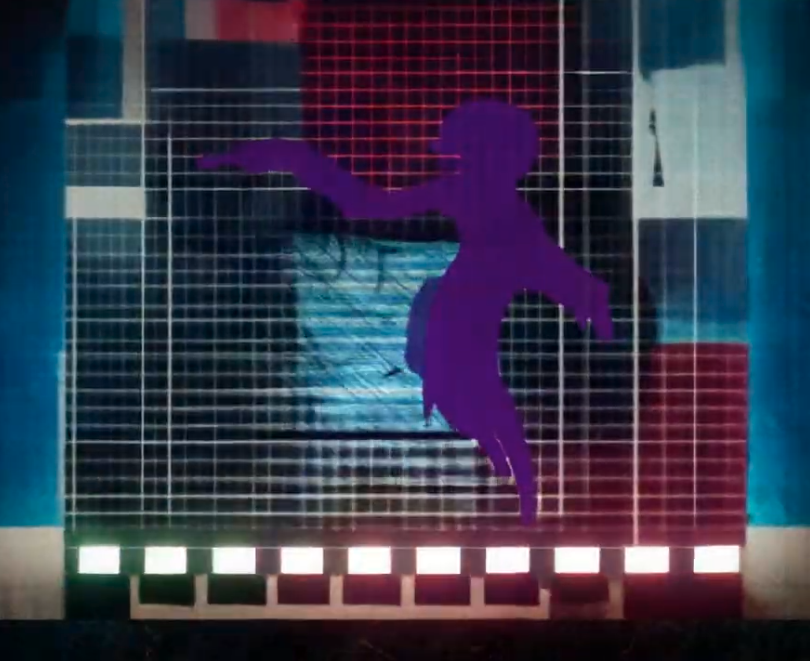
Dopamina, Music Video (Still Image)
Dopamina embraces the uncertainty and absurdity of algorithmic aesthetics. It does not present AI as a neutral tool, but as both collaborator and subject of critique. The work positions the machine’s unpredictable output as a source of estrangement, forcing viewers to question authorship, agency, and the boundaries of creativity.
In the context of Artificial Lines of Flight, the video operates as a rupture: a line of escape from systems that normalize control and certainty. By foregrounding the uncanny and the transient, Dopamina invites audiences into a space of ambiguity, where imagination emerges through the friction between human desire and algorithmic logic.
The Grand Tour by Miguel Ripoll
The Grand Tour series derives from a profound and personal unease with how we see (and how we are increasingly seen by) algorithmic systems.
These works began not as political statements, but as emotional responses to the strange melancholy of AI-generated imagery: its uncanny ability to synthesize “beauty” while remaining fundamentally hollow, its capacity to mimic human longing while never truly understanding what it means to yearn for distant places and a different life elsewhere.
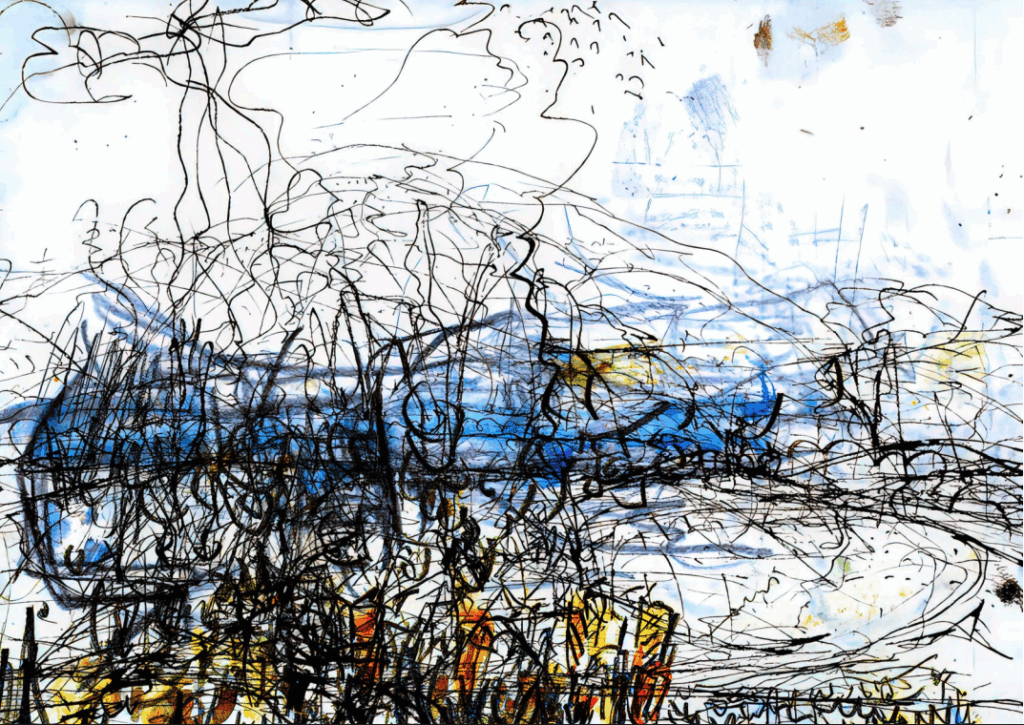
From “Grand Tour”, 2024 – 2025, 80 × 60 cm, Custom human-led, code-based AI workflow (using public domain texts and images) combined with iterative digital edition, manual collage of mixed digital media, and hand drawing with ink, pencil, and mineral pigments on 350 g/m² archival cotton paper.
Working with AI trained on centuries of travel imagery (artists’ notebooks, sketches) and texts (memories, diaries, letters), I discovered something unexpected: the machine’s attempts to recreate human wanderlust produced fragments that felt both familiar and alien— landscapes that seemed to remember places they had never been, faces that carried expressions they could never feel.
This strange pathos became the emotional core of the series. The fragmentary outputs (interrupted geometries, half-formed faces, landscapes dissolving into digital static) mirror something essential about memory itself: how we reconstruct the past from incomplete data, how nostalgia operates through omission as much as recall. The machine’s failures became more interesting than its successes, revealing the ghost-like quality of all mediated experience.
Love by Francesca Fini
Karma is less of a survivor than an apparition—an afterimage that persists in a landscape that has been abandoned by humanity. She traverses the remnants of a civilization that has perished, where the Earth has reverted to a primordial battlefield where the great archetypes continue to clash. Or, it is possible that she is a forgotten divinity, reclaiming a domain of collapsed mines, rust-freckled sacrificial altars, and wind-tossed drifts of fabric that have been shed by billions of vanished bodies. She transforms into a living panopticon that fractures the surrounding ruin into a thousand recursive reflections, enveloped in a mantle of mirrored fragments.
“Time moves sideways here,
where love rebuilds itself
from broken geometries
and impossible mathematics.”
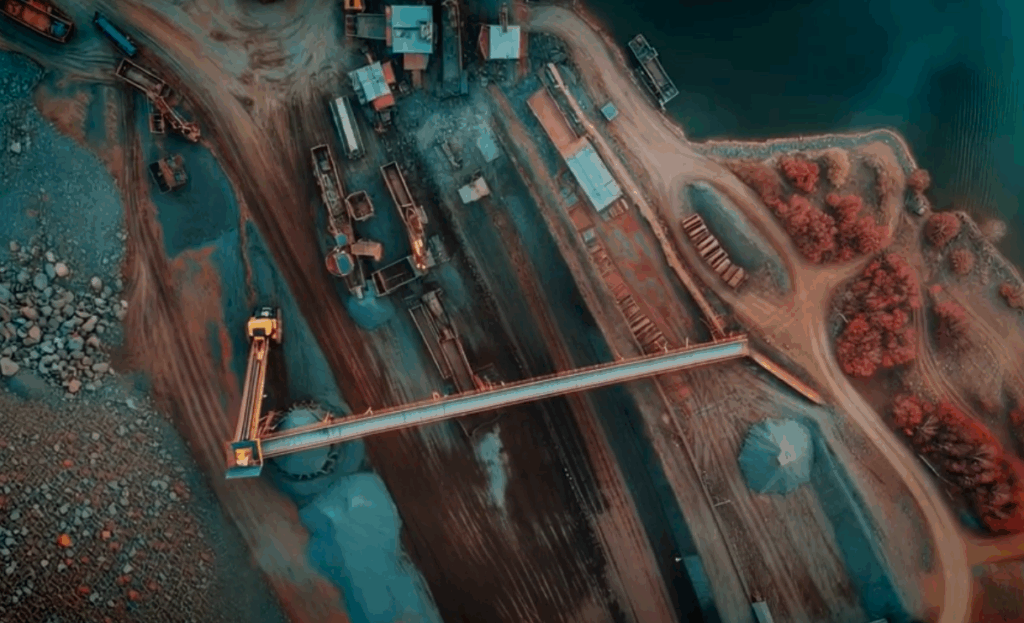
Love, AI-Asissted Short Movie (Film Still)
Karma is pursued by Mr. Pink, her feral, sentimental nemesis, whose animal magnetism stalks her across the shattered thresholds of the world, as her voyage spirals between seduction and repulsion. Their pursuit is not merely spatial; it is ontological, as it revolves around the concealed fulcrum where their shared ancestral nature ignites in a planet in flames. In the midst of that revelation, both figures relinquish their provisional identities and confront the archaic forces that had shaped them long before their names were forgotten by history.
LOVE is on the brink of becoming the first video performance that is wholly created through the alchemy of artificial intelligence. The metaphysics of spontaneous gesture, the visceral weight of living sculpture, the incantatory force of poetry, and the symbolic grammar of contemporary live action are all amplified and transformed by digital superpowers. A voracious hybrid entity, metamorphic and insatiable, arises, eager to consume new perceptions and recompose them into uncharted mythologies.
Distracted from Oneness by Copy Planet
Distracted From Oneness is an immersive new media artwork. In a world vibrating with endless signals, Distracted From Oneness explores the fragmentation of the self in the age of hyper-stimulation. Using real-time generative visuals, neural noise fields, and reactive soundscapes, the work renders the tension between unity and disintegration, between our innate longing for wholeness and the relentless pull of digital distractions.

Distracted from Onenness, Immersive New Media (Still Image)
Particles scatter like fleeting thoughts, textures glitch like interrupted memories, and light fractures across the canvas of perception.
Each element is in flux, mapping a soul drifting through streams of data, yearning to return to a singular center. The work visualises the spiritual entropy of the modern mind, seduced, severed, and searching.
This audiovisual meditation asks: In a reality where every moment is split, filtered, and refracted, can we still remember the shape of Oneness?
Forms of Escape by Marcus Wallinder
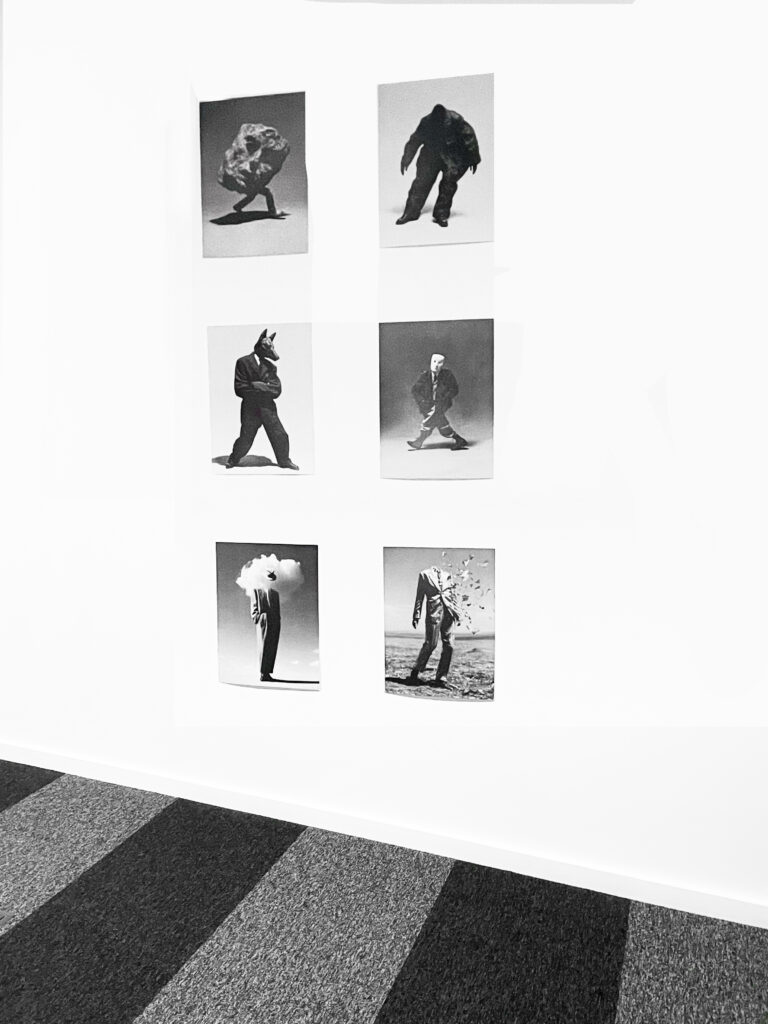
Forms of Escape is a series of black-and-white images where human figures dissolve into clouds, stone, masks, or fragments of matter. The suited body, a symbol of authority, order, and identity, becomes destabilized, undone, and transformed into something absurd, spectral, or unknowable.


Forms of Escape, No13, Still Image Forms of Escape, No9, Still Image
The works are born from a process that resists control: a negotiation between my intent and unpredictability. This collaboration generates ruptures -lines of flight- that break with clarity, certainty, and sense.
These figures, caught in transition, resist being fixed as singular identities. Instead, they embody ambiguity, absurdity, and instability. They are not portraits but thresholds, visual escapes from imposed forms, gestures of unbecoming in the face of uniformity.
Drawing Machine Framework by Lewis Brown
Drawing Machine Framework I is both a kinetic sculpture and an active tool in my everyday practice, functioning as a collaborative drawing partner. It is designed to challenge the perception of machines as opaque, black-box operators, proposing instead a transparent system where technology becomes an extension of the artist’s creative process.
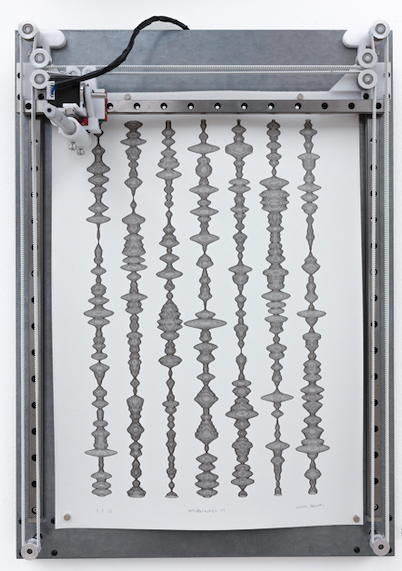
Drawing Machine, Kinetic Sculpture (Installation View)
Through real-time feedback loops, I directly engage with the machine’s movements, sculpting the final drawing as it emerges. This process augments the reach of my hand, creating a dialogue where the outcome is a product of shared authorship. The underlying algorithmic drawing has the potential to never be fixed, always shifting in a liminal state of flux. It only becomes finite at the point a mark is made. This is a working method that embraces the unpredictable, celebrating the unique visual language born from a human-machine partnership.
A Portrait in Data by Zivia Li
This work investigates how data, as an interface, acts not as a passive carrier of information but as an active, non-human agent that shapes and destabilises identity. Drawing on Karen Barad’s theory of agential realism, the project explores how data participates in the construction of selfhood, no longer as a mirror of the self, but as a system that produces new identity logics through real-time interaction.
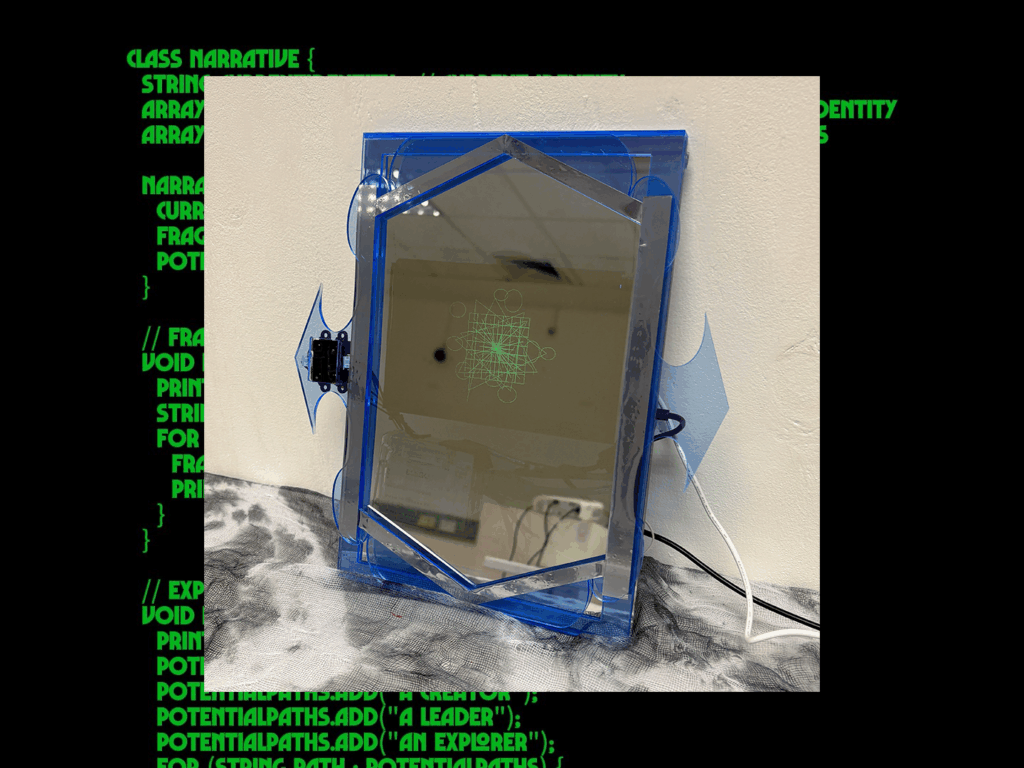
A Portrait in Data – Smart Mirror, Interactive Installation (Installation View)
The installation features a “smart mirror” that generates random visual patterns and ID codes in response to human presence. When a viewer approaches or hovers their hand near the sensor, the motion halts, and a new identity is assigned algorithmically. The mirror does not reflect but transforms, reconfiguring perception through machine logic. This process invites the audience to consider how external systems and non-human agents co-author our sense of autonomy.
A video essay accompanies the installation. It is composed of generative visuals and code-based sound, along with a reflective voiceover that contemplates data’s entanglement with subjectivity. Rather than representing identity, the work reveals its contingency within machinic systems. It imagines a future where identity is not something owned, but something issued temporarily and unpredictably, without reliance on language.